



Understanding Condenser Tumble Dryers
Condenser tumble dryers are a popular home appliance designed to efficiently remove moisture from laundry. Unlike traditional vented dryers, which expel humid air outside, condenser dryers operate by condensing moisture from the air within the drum into water. This process allows them to function effectively in various indoor environments, offering greater placement flexibility. As a result, condenser tumble dryers have gained attention for their versatility compared to their vented counterparts.
The primary feature of a condenser dryer is its ability to recycle the warm air used during the drying cycle. The moisture-laden air is drawn through a heat exchanger where it is cooled, leading to condensation. The resulting water is collected in a reservoir or can be directly drained through a hose, eliminating the need for external venting. This operational method not only provides convenience but also improves energy efficiency, making them a sustainable choice for modern households.
One of the key differences between condenser and vented dryers lies in the limitations on installation. Vented dryers require specific venting through walls or windows for proper air circulation, which can restrict placement options. In contrast, condenser dryers can be installed in various locations, such as bathrooms or utility rooms, without requiring external venting systems. This flexibility allows homeowners to optimize their living spaces more effectively.
Condenser tumble dryers also tend to retain more heat during the drying process, contributing to their overall energy efficiency. Many models come with advanced features such as sensor drying, which adjusts the drying time based on the moisture level in the clothes, further minimizing energy usage. The combination of these benefits makes condenser tumble dryers an increasingly preferred choice among consumers seeking effective laundry solutions.
The Importance of Ventilation
Ventilation plays a crucial role in the optimal functioning of a condenser tumble dryer. Unlike traditional vented dryers that require a designated outlet for moist air, condenser dryers work on a different principle. These modern appliances utilize internal condensation processes to manage moisture. Instead of expelling humid air outside, they convert the moisture extracted from clothes into water, which is collected in a reservoir or drained away through a hose. This design allows for flexibility in placement, giving users the option to install them virtually anywhere within the home, provided other general installation requirements are met.
One common misconception is that condenser tumble dryers need additional external ventilation to operate effectively. This belief stems from practices associated with vented dryers, where outside air is drawn into the drum, necessitating proper venting to expel warm, moist air. However, with condenser dryers, no external vents are necessary. They efficiently recycle air within the unit, making them an ideal choice for homes where installation options may be limited. As a result, users are not required to invest in costly venting systems or worry about outside humidity affecting their laundry experience.
While specific airflow around the appliance can enhance performance, especially in smaller spaces, the primary requirement remains that the dryer must be positioned away from heat sources and with adequate room for airflow. Ensuring that the condenser dryer has sufficient clearance on all sides allows for optimal heat exchange and prevents overheating. It is critical for users to position the dryer in an environment that is neither too humid nor excessively cold, as these extremes can influence the efficiency of the condensation process. Thus, understanding the ventilation needs of a condenser tumble dryer ultimately aids in maximizing its performance and longevity.
Optimal Locations for Installation
When determining where to install a condenser tumble dryer, several key factors must be taken into consideration to ensure optimal efficiency and functionality. These factors include accessibility, space constraints, and proximity to power sources and plumbing. Identifying the right location can significantly enhance the convenience of using the dryer while also maximizing its performance.
One of the most suitable locations for a condenser tumble dryer is a dedicated laundry room. This environment typically offers ample space and is specifically designed for washing and drying operations. The presence of power outlets and often pre-installed plumbing makes the laundry room an ideal setting. If a laundry room is not available, kitchens may present another viable alternative, especially in households where space is at a premium. Here, the dryer can be conveniently situated near washing machines, thereby streamlining laundry tasks.
In addition to functional spaces, a condenser tumble dryer can also be placed in other living areas, provided that certain precautions are taken. For instance, ensuring adequate ventilation is crucial, as proper air circulation can prevent overheating. It is advisable to position the dryer on a stable surface to avoid any movement or vibrations that might disturb other household activities. Keep in mind that the proximity to windows or external doors may aid in promoting better air flow, which is essential for condenser models that rely on ambient air for their drying efficiency.
Ultimately, choosing the optimal location for your condenser tumble dryer not only simplifies laundry day logistics but also helps in maintaining the overall effectiveness of the appliance. Thoughtful placement can make a significant impact on user experience, which is why careful consideration should be given to the unique layout of your home.
Considerations for Small Spaces
Finding the optimal location for a condenser tumble dryer in a small space can be a challenge. Compact areas often require careful planning to ensure that the dryer fits without compromising the functionality of the room. One key aspect to consider is the size of the dryer itself. Manufacturers offer a range of dimensions, including slimline and stackable models, which are specifically designed for limited spaces. When selecting a dryer, it is crucial to measure the available area accurately to ensure the appliance can be installed without obstruction.
Another solution for small spaces involves creative placement strategies. For instance, many homeowners opt to place their tumble dryers in utility rooms, basements, or even kitchen cupboards. This not only saves floor space but also helps keep appliances out of sight, contributing to a more aesthetically pleasing environment. If a laundry cabinet is being utilized, it is essential to ensure that there is adequate ventilation. Condenser dryers operate effectively by expelling moisture, and poor airflow can lead to inefficiencies and potential damage to the unit over time.
Additionally, it is vital to consider the power supply and water drainage requirements of the condenser tumble dryer. Ensuring that the dryer is located near an electrical outlet is important, as is planning for a method of dealing with condensed water. Most modern units have tanks for collection, but some can be connected to a drain for ease of use. Ultimately, by making informed selections and utilizing space-saving strategies, potential users can successfully integrate a condenser tumble dryer into small areas without sacrificing efficiency or function.
Distance from Other Appliances
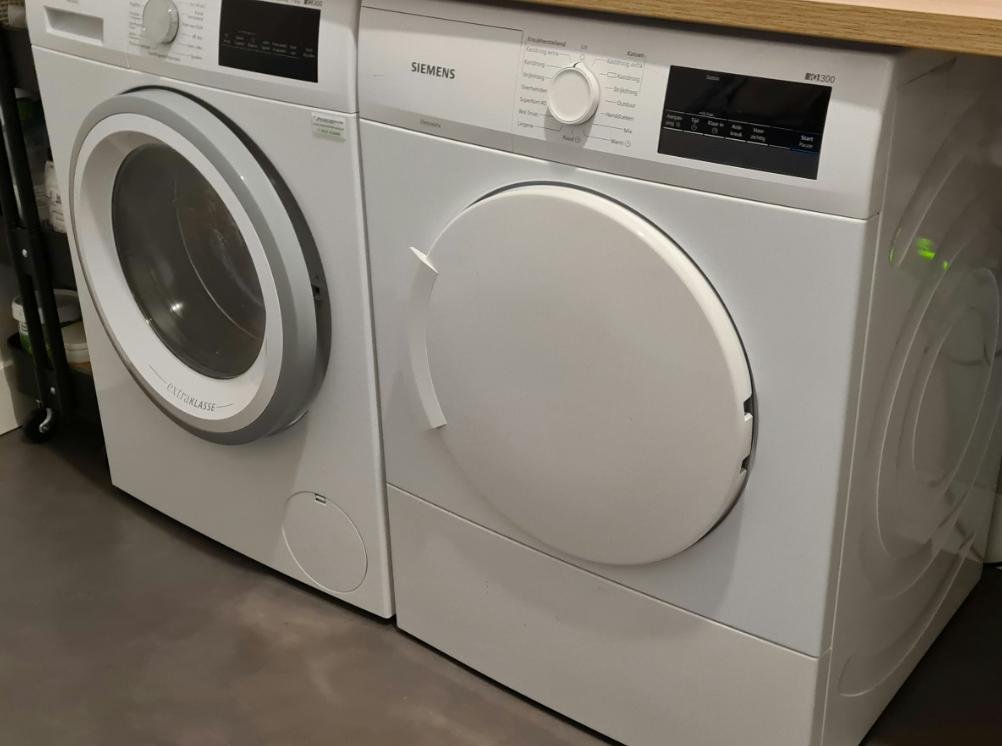
When positioning a condenser tumble dryer in your home, it is crucial to pay attention to the distance between the dryer and other appliances. This consideration is not only essential for optimal functioning but also for ensuring safety during operation. It is generally recommended to maintain a minimum space of at least a few inches between a condenser tumble dryer and other household devices, such as washing machines, refrigerators, and ovens. This gap allows for proper heat dissipation, minimizing the risk of overheating.
The importance of maintaining distance goes beyond safety; it also enhances the efficiency of your condenser tumble dryer. Appliances generate heat during their operation, and insufficient spacing can create an environment that causes some devices to work harder to maintain performance. For instance, if a condenser dryer is placed too close to a washing machine, the heat emitted may affect the washing machine’s motors or sensors, potentially leading to malfunctions over time.
Furthermore, ease of use should also be considered when determining the placement of a condenser tumble dryer. A cramped space between appliances can hinder accessibility, making it challenging to load or unload laundry. When appliances are properly spaced, it becomes easier to perform maintenance tasks, such as cleaning lint filters or checking hoses, which can improve the longevity of your dryer.
In conclusion, maintaining an appropriate distance from other appliances when installing a condenser tumble dryer is vital for ensuring operational efficiency and safety. By allowing proper airflow and ease of access, you promote better performance and reduce the likelihood of appliance-related issues, making your laundry tasks smoother and more efficient.
Noisy Operations of Condenser Tumble Dryers
Condenser tumble dryers are essential appliances for many households, offering an effective solution for drying clothes, especially in homes lacking outdoor space. However, one aspect of their functionality that homeowners must consider is the noise levels generated during operation. The noise produced by a condenser tumble dryer can vary markedly from one model to another, often ranging from 60 to 80 decibels. While this range might be acceptable in utility areas, it can become disruptive in living spaces or bedrooms, thus requiring careful consideration of the unit’s placement and selection.
Choosing Quieter Models
When purchasing a condenser tumble dryer, it is beneficial to research sound ratings. Some manufacturers now produce models designed with sound-dampening technology, which significantly reduces operational noise. Look for features such as insulated cabinets and anti-vibration designs, as these can enhance sound performance. Additionally, many brands provide information about the decibel levels of their products on specification sheets or product descriptions, enabling consumers to make informed decisions. Opting for a model with a lower decibel rating can greatly minimize disturbances, particularly in small or open-plan living areas.
Soundproofing Strategies
In situations where a louder condenser tumble dryer has already been installed or where a quieter model is not an option, implementing soundproofing strategies can help mitigate noise levels. Creating a designated laundry area away from common living spaces is a good start. Beyond the location, consider incorporating sound-absorbing materials, such as carpets or wall-mounted acoustic panels, in the immediate vicinity of the dryer. Additionally, placing the dryer on a thick rubber mat can reduce vibrations and decrease noise transmission through floors. Utilizing cabinetry or dedicated enclosures designed to absorb sound can further help to minimize disruption, ultimately enhancing the comfort of the home’s living environment.
Climate Considerations
When evaluating the placement of a condenser tumble dryer, one must consider the impact of various climatic conditions on its performance. A condenser tumble dryer operates by extracting moisture from clothes and condensing it into water which is then collected in a tank. This process can be significantly influenced by the humidity levels of the surrounding environment. In regions with high humidity, the dryer may struggle to maintain efficiency, as the air in the room is already saturated with moisture. As a result, the drying cycle may take longer and the appliance might not perform optimally.
In particularly humid climates, homeowners might consider running the dryer in a room with dehumidifiers. This adjustment can help create an environment conducive to effective drying by reducing moisture in the air, allowing the condenser tumble dryer to function as intended. Additionally, one might think about using the dryer during the cooler hours of the day when humidity levels are typically lower, further enhancing its efficiency.
Conversely, in dryer climates, where low humidity levels prevail, a condenser tumble dryer may efficiently operate without issues. However, extremely dry air can sometimes lead to over-drying certain fabrics, which may cause wear or damage over time. Users should regularly monitor their dryer settings and fabrics, making necessary adjustments to prevent this issue. It is also advisable to ensure adequate ventilation in the area where the dryer is situated, as this promotes a good airflow and optimizes the drying process.
In summary, the climate in which a condenser tumble dryer operates plays a crucial role in its efficiency. By tailoring usage and making environmental adjustments based on humidity levels, users can ensure optimal performance regardless of weather conditions.
Power Supply Requirements
When considering the installation of a condenser tumble dryer, understanding the power supply requirements is essential to ensure optimal functionality and safety. These appliances generally operate on a standard voltage of 220-240 volts, which is consistent across most households. However, it is crucial to verify that the electrical outlet where the dryer will be connected can accommodate this voltage. A dedicated circuit is often recommended for running a condenser tumble dryer to prevent potential overloads that could compromise performance and safety.
A dedicated circuit means that the tumble dryer has its own individual line from the main electrical panel. This is particularly important since tumble dryers typically require a substantial amount of electricity to operate efficiently. By ensuring that the appliance is not sharing a circuit with other devices, the likelihood of tripped breakers or electrical faults is significantly reduced. Homeowners should also check the amperage of the circuit; a 13-amp fuse is often suitable for most models, but some high-capacity dryers may require a 16-amp or higher circuit.
Moreover, safety measures should not be overlooked during the installation process. It is advisable to employ a qualified electrician who can assess the existing electrical system, ensuring that it meets the necessary safety standards and is equipped to handle the load of the dryer. Adequate grounding is also vital to protect the appliance from power surges and electrical hazards. Ensuring that the dryer is connected to the correct power supply helps prevent electrical issues that could damage the equipment or create safety risks. By adhering to these guidelines, you can ensure a safe and efficient installation for your condenser tumble dryer.
Maintenance Tips for Long-Term Use
To ensure the longevity and efficiency of your condenser tumble dryer, regular maintenance is paramount. Proper care not only enhances performance but also prolongs the appliance’s life span. One of the first maintenance tasks involves cleaning the lint filter after each use. This is crucial, as a clogged lint filter can prevent proper airflow, leading to inefficiency and potential overheating. Regularly checking and emptying the water container, or if your model allows it, ensuring that the condensation drainage system is functioning correctly is equally important.
In addition to daily cleaning routines, it is advisable to give your condenser tumble dryer a thorough clean at least once a month. This involves detaching and cleaning the condenser unit, typically located at the front of the dryer. Removing any accumulated dirt and debris from this area will aid in maintaining effective condensation and drying performance. Utilize a soft brush or a vacuum cleaner attachment for this purpose. Following the manufacturer’s guidelines for cleaning will also ensure that you do not inadvertently damage any components.
Replacing the water container’s filter is another crucial maintenance activity that should not be overlooked. Most models will have recommendations for when the filter should be replaced, typically every few months, depending on usage. Furthermore, it is wise to schedule professional servicing annually, as an expert can check for any hidden issues and ensure that your appliance is operating at peak efficiency. This routine can help identify early signs of wear or other problems that may develop over time, thus saving you potential costly repairs in the future. By adhering to these maintenance tips, you can maximize the performance and lifespan of your condenser tumble dryer.