



Introduction to Portable Washing Machines
Portable washing machines are compact and versatile appliances designed for individuals or families who require an effective laundry solution without the limitations of traditional, full-size washers. These machines are particularly ideal for small living spaces, such as apartments, RVs, or dormitories, where space is at a premium. A portable washing machine is typically smaller and lighter, allowing it to be easily moved and stored when not in use.
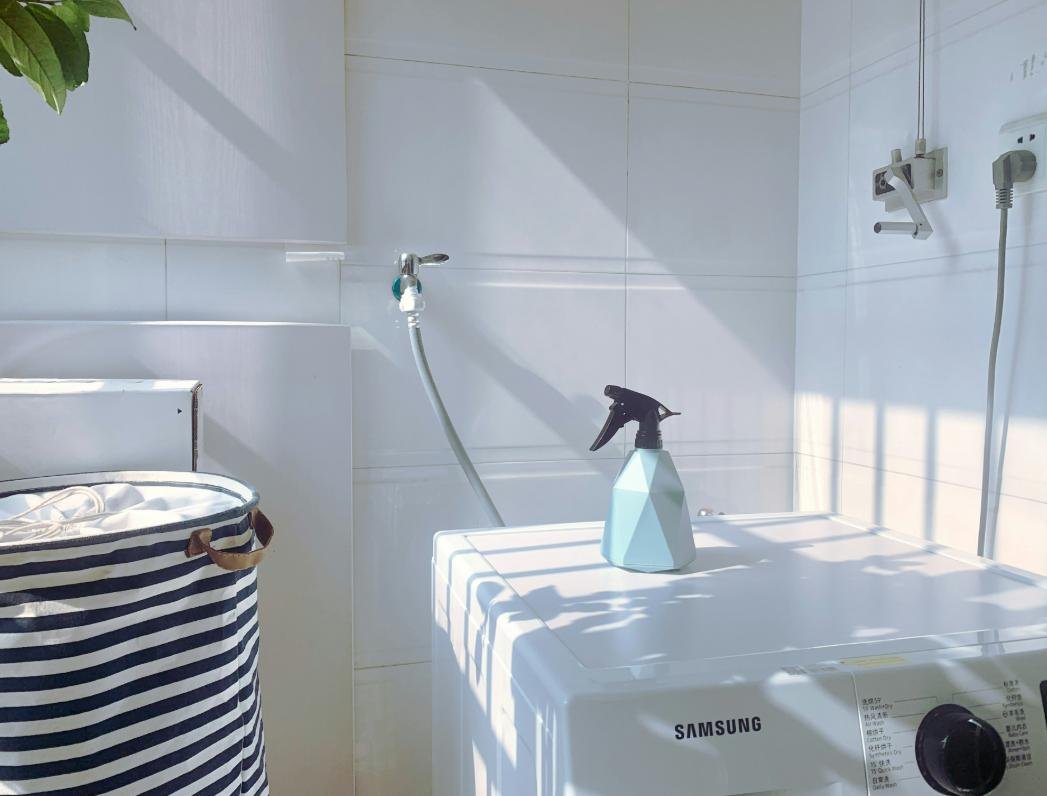
Operation of these machines varies by model but generally involves a simple hook-up to a kitchen or bathroom faucet for water supply. Many units feature a drain hose that can be placed in a sink or bath tub. Various designs exist, including fully automatic machines that handle their own washing and rinsing effectively, and semi-automatic models that require more user involvement. The ease of setup and minimalist design enable users to accomplish laundry tasks quickly and efficiently, fulfilling the needs of those with limited space or accessibility.
The capacity of portable washing machines varies, with most capable of handling between 5 to 10 pounds of laundry per load. This capacity is generally suitable for small households or individuals, making it an ideal companion for frequent travelers or those living in urban environments. The water and energy efficiency of portable models can also serve as an appeal, offering lower utility bills compared to conventional washers. With various functions and settings, these machines have evolved to provide an effective washing experience, accommodating different fabric types and cleaning requirements.
Overall, portable washing machines deliver convenience and practicality for users looking to maximize their living space while maintaining a high standard of cleanliness for their laundry. As more individuals seek to balance efficiency with lifestyle requirements, these machines continue to gain popularity.
Understanding Bleach and Its Uses in Laundry
Bleach is a common cleaning agent widely used in laundry to enhance the effectiveness of washing and to maintain the bright appearance of fabrics. The two main types of bleach used in laundry applications are chlorine bleach and oxygen bleach, each possessing unique properties that lend to their effectiveness in cleaning, stain removal, and disinfection.
Chlorine bleach, also known as liquid bleach, contains sodium hypochlorite as its active ingredient. Its powerful oxidizing properties make it highly effective at removing stubborn stains, such as those caused by food, grass, and dyes. Additionally, chlorine bleach serves as a disinfectant, eliminating bacteria and viruses that may be present on clothing. However, its strength comes with certain drawbacks; it can weaken fabric fibers over time and is unsuitable for colored fabrics as it tends to cause fading and discoloration.
On the other hand, oxygen bleach, which includes products like hydrogen peroxide and sodium percarbonate, is a gentler alternative. It is effective at brightening whites and removing stains while being safe for most colored fabrics. Oxygen bleach works by releasing oxygen when dissolved in water, which aids in lifting stains rather than oxidizing materials as chlorine bleach does. This makes oxygen bleach a favorable option for delicate fabrics and colorfast items.
When using bleach in laundry practices, it is crucial to take certain precautions. Always follow the manufacturer’s instructions on the product label, as dilution ratios may vary. Testing a small, inconspicuous area of fabric for colorfastness before use can prevent damage to your favorite garments. Moreover, proper ventilation is important to mitigate inhalation risks associated with bleach fumes. Overall, when used correctly, bleach can be a pivotal ally in achieving clean and disinfected laundry.
Can Bleach Be Used in Portable Washing Machines?
The use of bleach in portable washing machines has raised several questions regarding its safety and effectiveness. It is essential to consult the manufacturer’s guidelines before using bleach, as these recommendations can vary significantly across different models. Most manufacturers typically advise caution when considering the addition of bleach into their portable washing machines. While many standard washing machines allow for diluted bleach in the wash cycle, portable machines operate differently and may be more sensitive to harsh chemicals, potentially affecting their lifespan and functionality.
In general, using bleach in portable washing machines may be permissible if it is done in moderation. For instance, users should ensure that the bleach is properly diluted to prevent damage to the machine’s components. Bypassing this step may lead to discoloration, degradation of internal parts, or even rust. Additionally, the residues from bleach can accumulate, leading to unpleasant odors or affecting future laundry loads. Therefore, it is recommended to check for any specific instructions regarding bleach usage provided in the user manual.
Common practices among users tend to favor alternatives to bleach, especially for regular washing cycles. Many have reported positive results using oxygen-based or color-safe bleach products, which could be more compatible with portable washing machines. These products are generally less harsh and are designed to prevent the issues that standard bleach can cause. Ultimately, while bleach can be used in portable washing machines, adhering strictly to manufacturer guidelines and considering alternative cleaning agents may offer better results without compromising the machine’s integrity.
How to Properly Use Bleach in Your Portable Washing Machine
Using bleach in a portable washing machine can be beneficial for disinfecting and whitening laundry. However, it is essential to follow the correct procedure to ensure both effectiveness and safety. The first step in the process is to properly dilute the bleach. A commonly recommended ratio is one cup of bleach per gallon of water. This dilution is vital as undiluted bleach can damage fabrics and the machine itself.
Once the bleach is diluted, it is important to add it to the washing machine at the right time. Begin your wash cycle with cold water, and pour in the diluted bleach during the wash cycle’s agitation phase. This allows the bleach to circulate evenly throughout the clothes and ensures better cleaning results. However, it is crucial to never mix bleach directly with detergent or other chemicals, as this can create harmful fumes.
After adding bleach, select a suitable washer setting. For most portable washing machines, a normal or heavy-duty cycle works best. It is essential to consider the fabric type of the items being washed, as some materials may not react well to bleach. Always check garment care labels before proceeding.
Another critical aspect of using bleach is the rinse cycle. After the wash cycle completes, it is advisable to run an additional rinse cycle without adding any detergent or bleach. This ensures that all bleach residues are effectively removed from the fabrics, preventing any potential skin irritation during future usage.
By following these steps for proper use of bleach in your portable washing machine, you can achieve sanitized and bright laundry results, while also protecting both your machine and garments.
Alternatives to Bleach for Portable Washers
When it comes to cleaning and maintaining laundry in portable washing machines, finding effective alternatives to bleach is essential. While bleach is a powerful disinfectant, its harsh nature can be unsuitable for the delicate components of portable washers. Fortunately, various natural and commercial alternatives are available that can effectively remove stains, sanitize, and brighten fabrics.
One of the most popular natural alternatives is white vinegar. Known for its mild acidity, white vinegar can help to break down mineral deposits and odors, making it a great choice for freshening up laundry. Additionally, it can help to soften fabrics without the need for chemical softeners. Another effective natural choice is baking soda; this versatile substance enhances the cleaning power of laundry detergents and can neutralize odors, making it particularly useful for high-odor garments such as sportswear.
If looking for commercial products, there are several enzymes-based detergents designed to be effective in portable washers while being kind to fabrics. These cleaners break down stains at a molecular level, providing a deep clean without the need for bleach. Furthermore, oxygen-based stain removers can be a viable alternative, as they release active oxygen when mixed with water, safely lifting stains without the harshness of traditional bleach.
For those preferring fragrance, some products infused with essential oils offer an aromatic cleaning experience while still ensuring antibacterial properties. Furthermore, it is essential to read labels carefully; many modern laundry pods and detergents indicate they are safe for use in portable washing machines, combining efficiency with user convenience.
In conclusion, while bleach is a common cleaning agent, there are numerous effective alternatives available. From natural options like vinegar and baking soda to commercial enzyme-based detergents, users can find suitable cleaning solutions tailored to their portable washing machine’s specific needs.
Advantages and Disadvantages of Using Bleach
Utilizing bleach in the laundry process can yield both significant advantages and certain disadvantages. One of the primary benefits of using bleach is its exceptional stain removal capability. It effectively breaks down tough stains such as grease, wine, and ink, restoring fabric to its original condition. In addition to stain removal, bleach has strong disinfecting properties. It is widely used to eliminate bacteria, viruses, and mold, making it particularly beneficial for washing items that require high hygiene standards, such as bed linens and towels. Including bleach in a wash cycle can contribute to a cleaner and fresher-smelling laundry load.
However, there are notable downsides associated with the use of bleach. One of the main concerns is the potential for fabric damage. Many fabrics, especially delicate ones like silk or wool, may weaken or get damaged when exposed to bleach. Even in more resilient fabrics, excessive use of bleach can lead to fading, making the clothes look worn and less vibrant over time. Furthermore, bleach can induce unpleasant odors if not rinsed properly. The strong scent may linger on clothing, which can be off-putting to some individuals. Additionally, the use of bleach requires careful measuring, as improper dilution can result in adverse effects on both the fabric and the washing machine itself.
Another consideration is environmental impact. Bleach can be harmful to waterways and ecosystems if not disposed of properly, raising concerns for environmentally-conscious consumers. Given these pros and cons, users of portable washing machines must carefully weigh the decision to incorporate bleach into their laundry routine. Understanding the implications of its use is essential for achieving an optimal balance between cleaning efficacy and fabric care.
Maintenance and Care for Portable Washing Machines
Maintaining a portable washing machine is essential for ensuring its longevity and optimal performance. Regular cleaning and proper care not only keep your appliance functioning effectively but also prevent common issues that can arise from neglect. One of the primary steps in maintenance is to clean the machine regularly. This involves wiping down the exterior and interior drum to remove any built-up detergent residues and grime. A gentle cleaner is recommended to avoid damaging sensitive components.
Moreover, it is crucial to periodically run a cleaning cycle. Many portable washers come with a self-cleaning option, which helps in eliminating mold and mildew that can develop in damp areas. If your model does not include this feature, simply running a hot water cycle with a commercial washing machine cleaner or a mixture of vinegar and baking soda can suffice. This process helps maintain freshness inside the machine and prevents unpleasant odors.
While it is often tempting to use bleach for its disinfectant properties, it is vital to avoid bleach in portable washing machines. The corrosive nature of bleach can cause significant damage overtime, particularly to rubber seals and hoses. These parts are essential for maintaining water integrity and efficiency during washes, and bleach exposure can lead to premature wear and tear, resulting in costly repairs or replacements.
Instead of bleach, consider using oxygen-based bleach alternatives or eco-friendly liquid detergents, which can provide effective cleaning without the risk of damaging sensitive parts. Always follow the manufacturer’s instructions for cleaning agents and practices. By incorporating these best practices into your routine, you can effectively maintain your portable washing machine, ensuring it runs efficiently throughout its lifespan.
Safety Precautions When Using Bleach
When using bleach in a portable washing machine, adhering to safety precautions is essential to prevent harm and ensure effective use. First and foremost, it is imperative to utilize bleach in a well-ventilated area. This practice helps to mitigate the inhalation of harmful fumes that may arise during the washing process. Open windows or use exhaust fans to enhance airflow, creating a safer environment while working with this potent chemical.
Moreover, wearing appropriate protective gear is crucial when handling bleach. This includes gloves to protect the skin from irritation and goggles to shield the eyes from splashes or accidental contact with the bleach solution. Since bleach can cause burns or other injuries, it is advisable to abstain from wearing contact lenses while performing tasks involving bleach, as they can trap the chemical against the eyes. Protective clothing can also serve as an additional barrier against accidental spills.
The storage of bleach is another critical aspect affecting safety. Always store bleach in a cool, dry place, away from direct sunlight and out of reach of children and pets. It is best to keep bleach in its original container and tightly sealed to minimize the risk of spills or accidental exposure. In the event of a spill, it is important to act swiftly. First, ensure the area is well-ventilated. Then, clean the spill immediately using absorbent materials, followed by rinsing the area with water to dilute any remaining bleach.
In summary, taking these safety precautions can significantly reduce the risks associated with using bleach in a portable washing machine. By ensuring proper ventilation, wearing protective gear, and storing bleach correctly, users can minimize hazards effectively while still benefiting from the cleaning power of bleach.
Conclusion: To Bleach or Not to Bleach?
In examining the use of bleach in portable washing machines, several key points emerge that are significant for consumers to consider. First and foremost, the chemical composition of bleach can indeed be effective in disinfecting clothes and removing stubborn stains. However, its application requires careful consideration, particularly with regard to the materials of the garments being washed. Certain fabrics, especially delicate ones, can be damaged by bleach, altering their color and integrity.
Users of portable washing machines should also take note of the machine’s specifications and guidelines provided by the manufacturer. Many portable models may not be designed to handle the corrosive nature of bleach, leading to potential damage over time. Informing oneself about these factors can prevent costly repairs and extend the longevity of the washing appliance. Additionally, proper dilution is essential for safe bleach usage. A common recommendation is to ensure that bleach is sufficiently diluted before being mixed with laundry, which helps minimize any adverse effects on both clothing and the washing machine itself.
Furthermore, it may be beneficial to explore alternatives to bleach that can provide similar cleaning benefits without the associated risks. Oxygen-based bleach products, for example, might offer a gentler solution suitable for a broader range of fabrics. Ultimately, the decision to use bleach in your portable washing machine should be carefully weighed, taking into account the material of your laundry, the manufacturer’s guidance, and any personal preferences regarding maintenance and cleanliness. Thus, consumers are encouraged to evaluate the pros and cons, aligning their choices with individual needs and situations, ensuring that they make informed decisions that best suit their laundry practices.